22 Oct 2026
Collaborative Ventures Among Developers Drive Unique Feature Developments in Mobile Gaming Platforms Worldwide
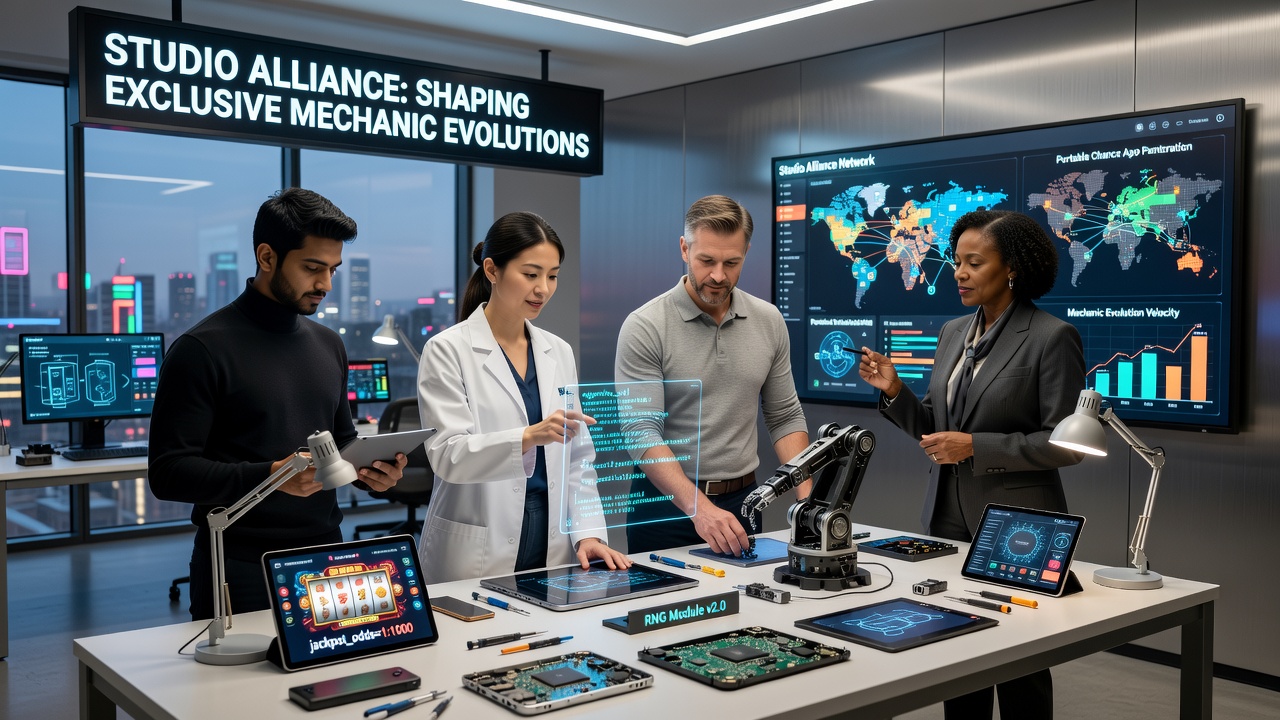
Studio alliances have become a central force in how exclusive mechanics take shape across portable chance applications, with partnerships allowing developers to pool resources and create features that single studios might struggle to produce alone. These collaborations often focus on mobile platforms because portable devices demand optimized performance alongside engaging gameplay loops, and joint efforts help meet those technical and creative demands simultaneously.
Mechanics Emerging From Joint Development Agreements
Developers frequently combine proprietary tools during alliance projects, resulting in mechanics such as synchronized reel expansions or cross-device progression systems that appear exclusively in partnered titles. Data from October 2026 shows several such features rolled out in applications serving markets in Asia and Europe, where mobile usage rates for chance games continue to climb according to figures compiled by regional industry trackers. Those who've examined release patterns note that alliances accelerate the introduction of these elements by sharing testing frameworks and compliance protocols that vary by jurisdiction.
One notable case involved two mid-sized providers linking their animation engines to deliver a mechanic allowing players to carry custom modifiers between sessions on different devices, a capability that required coordinated backend adjustments to function smoothly in portable environments. This kind of integration reduces redundancy in code development while expanding what individual applications can offer without duplicating effort across separate teams.
Regional Regulatory Influences on Alliance Strategies
Regulatory environments shape how alliances form and what mechanics they prioritize, with licensing bodies in different regions imposing distinct requirements on feature transparency and fairness testing. Reports from the Malta Gaming Authority highlight how partnerships between studios based in Europe and North America have adapted their joint projects to satisfy multiple compliance standards at once, often embedding audit trails directly into the mechanic design phase. Similarly, data shared by the Nevada Gaming Control Board indicates that alliances targeting the U.S. market tend to emphasize verifiable random number generators that work seamlessly on mobile networks with variable connectivity.
These regulatory considerations push studios to align early in the development cycle, and observers note that such coordination leads to mechanics that travel more easily across borders while still meeting localized rules. In developing economies, where mobile penetration outpaces traditional infrastructure, alliances sometimes incorporate lighter data protocols to maintain performance, creating exclusive adaptations that single studios rarely attempt on their own.

Technology Sharing and Performance Optimization
Alliances enable the exchange of specialized technologies, such as advanced compression methods for graphics or predictive loading algorithms that keep gameplay fluid on lower-end portable hardware. Research from the University of Nevada, Las Vegas gaming technology program has tracked how these shared innovations appear first in alliance-driven titles before spreading more widely, suggesting that partnerships serve as testing grounds for broader industry adoption. The process typically begins with joint prototyping sessions, followed by phased rollouts that collect usage data across diverse device types.
What's interesting is how these shared technologies often produce mechanics tailored specifically to mobile constraints, including touch-optimized interfaces or session-saving functions that preserve player progress during network interruptions. Evidence from industry reports compiled in October 2026 reveals increased instances of such features in applications distributed through global marketplaces, particularly where alliances include at least one studio with strong mobile optimization expertise.
Future Patterns in Alliance-Driven Innovation
Looking ahead, the structure of studio alliances appears likely to influence which mechanics gain traction in portable chance applications, especially as more providers seek to differentiate their offerings through exclusive elements. Trade data indicates that alliances involving studios from multiple continents have produced a higher volume of cross-compatible features, allowing mechanics to evolve in response to player behavior patterns observed across varied markets. This geographic diversity in partnerships helps distribute development risks while expanding the range of technical solutions available for mobile-specific challenges.
Conclusion
Studio alliances continue to reshape how exclusive mechanics develop and deploy in worldwide portable chance applications, driven by shared resources, regulatory navigation, and performance demands unique to mobile environments. The patterns observed through October 2026 demonstrate that these collaborations yield features that balance innovation with practical constraints, and further tracking of alliance activities will clarify how such dynamics evolve in subsequent periods.