5 Nov 2026
The Role of Provider Analytics in Tailoring Bonus Rates for Licensed Reel Systems
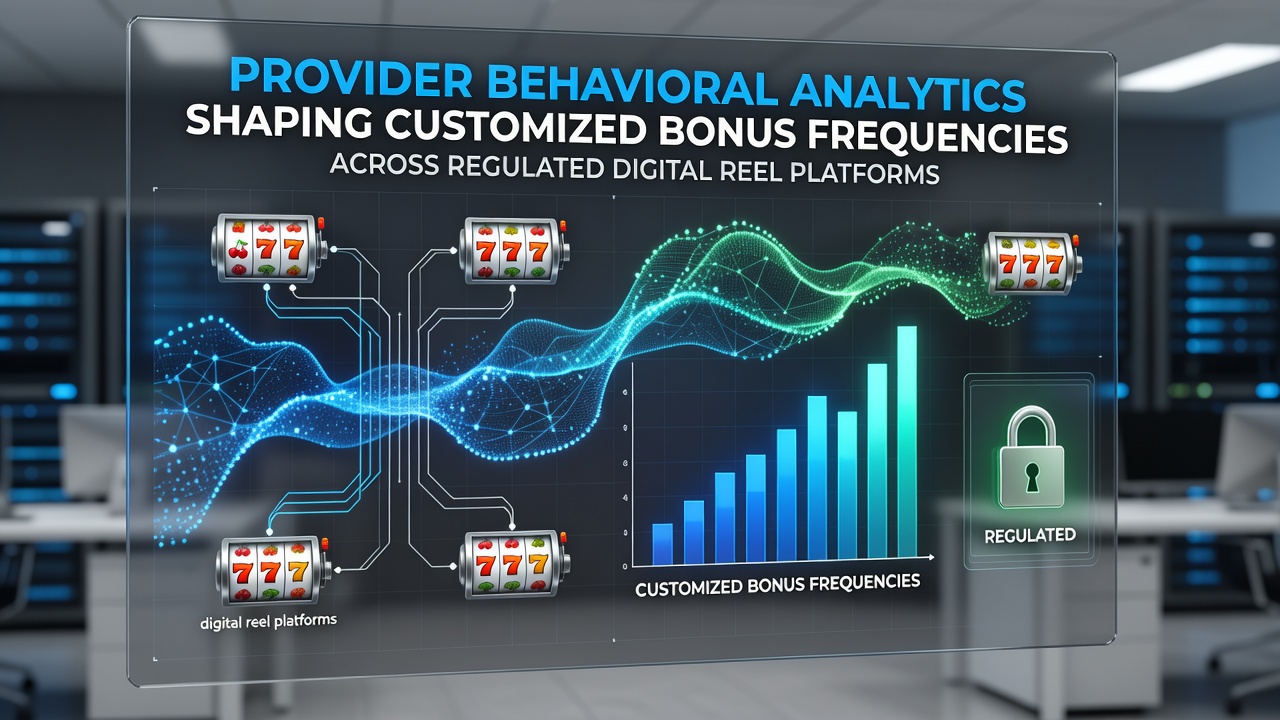
Behavioral analytics from gaming providers now drive adjustments to bonus frequencies across regulated digital reel platforms, with systems processing player interaction data to set reward intervals that align with jurisdictional requirements. Platforms operating in licensed environments collect metrics on session length, wager patterns, and engagement peaks, then apply algorithms that modify bonus triggers without violating oversight rules from bodies such as iGaming Ontario and the Nevada Gaming Control Board.
These adjustments occur through continuous data streams that track how users respond to different reward schedules, allowing providers to refine frequency settings in real time. Research from academic groups at institutions focused on digital entertainment economics shows that such customization maintains compliance while responding to observed play behaviors across multiple regions.
Data Collection Mechanisms in Regulated Environments
Providers deploy tracking tools that log every reel spin, bonus activation, and exit point within sessions, building profiles segmented by time of day and device type. In November 2026 operators across North American and European markets reported expanded use of these tools following updates to data handling standards that emphasize transparency and audit trails. The resulting datasets feed into models that predict optimal bonus spacing, ensuring frequencies stay within parameters set by local regulators.
Systems distinguish between high-volume and occasional participants, applying differentiated bonus intervals accordingly. Figures from industry reports indicate that platforms using these segmented approaches recorded measurable shifts in average session duration compared with static bonus models.
Algorithmic Adjustments and Compliance Integration
Algorithms analyze historical data alongside live inputs to recalibrate bonus frequencies, often testing small variations across user cohorts before wider rollout. Regulated platforms must log every change, creating records that auditors review during scheduled examinations. This process ties directly to licensing conditions that require evidence of responsible reward distribution.
One documented case involved a provider operating in multiple Australian states that linked bonus timing to aggregated player location data, resulting in adjusted frequencies during peak regional events. Similar patterns appear in Canadian provincial systems where operators coordinate with oversight bodies to validate algorithmic outputs.
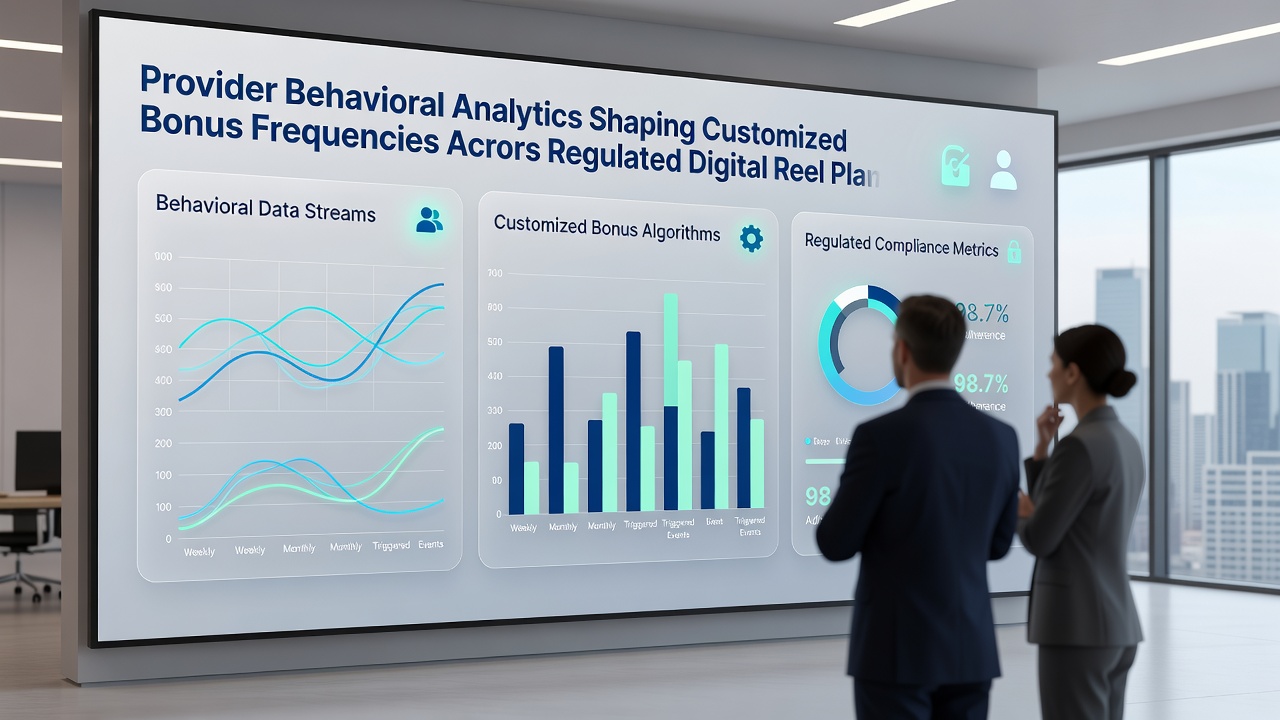
Regional Variations in Implementation
European markets under frameworks from the Malta Gaming Authority emphasize audit-ready documentation of frequency changes, whereas certain U.S. state systems prioritize real-time reporting of any bonus modifications affecting player funds. Observers note that providers serving both regions maintain separate rule sets within the same analytics engine to satisfy each jurisdiction.
Data from cross-border studies reveal that platforms adapting frequencies based on local regulatory calendars experience fewer compliance flags during routine inspections. These adaptations often coincide with scheduled reviews of gaming licenses, prompting providers to freeze or accelerate bonus adjustments ahead of deadlines.
Impact on Platform Operations and Reporting
Analytics outputs feed into operational dashboards that compliance teams monitor daily, flagging any frequency settings that approach regulatory thresholds. Providers integrate these tools with existing reporting pipelines, generating automated summaries that detail bonus distribution across player segments. Such integration reduces manual review time while preserving traceability required by licensing agreements.
Studies conducted by research centers examining digital gaming economics highlight correlations between analytics-driven frequency tuning and sustained platform activity levels, though outcomes vary by market maturity and player demographics.
Conclusion
Provider behavioral analytics continue to influence bonus frequency customization within regulated digital reel platforms through structured data processing and jurisdiction-specific controls. As of November 2026, ongoing refinements in these systems reflect responses to both technological capabilities and established oversight requirements across diverse licensing regions.